

Boho and Cultural Influences: Complete Style Guide
More than 60 percent of british fashion lovers say they are drawn to styles with eclectic and multicultural influences. Boho fashion stands out for its carefree approach and deep cultural roots, making it a favourite choice for those who value originality and heritage. This guide unpacks the artistic freedom, global inspirations, and ethical considerations that shape boho style, helping you make thoughtful fashion choices that celebrate creativity and respect diverse traditions.
Table of Contents
- Defining Boho and Cultural Influences
- Global Roots and Regional Variations
- Key Elements of Boho-Inspired Fashion
- Cultural Appreciation Versus Appropriation
- Ethical Sourcing and Responsible Choices
Key Takeaways
| Point | Details |
|---|---|
| Understanding Boho Style | Bohemian fashion is rooted in cultural diversity and artistic expression, characterised by flowing silhouettes and rich textile traditions. |
| Cultural Appreciation | It is vital to distinguish between cultural appreciation and appropriation, ensuring respectful representation of diverse influences. |
| Ethical Sourcing | Emphasising sustainability and responsible choices, such as supporting artisan communities and using eco-friendly materials, is essential in contemporary boho fashion. |
| Personal Expression | Boho style serves as a canvas for individual storytelling, encouraging wearers to explore and celebrate their unique cultural narratives. |
Defining Boho and Cultural Influences
Bohemian style, often abbreviated as boho, represents far more than just a fashion trend—it’s a profound expression of artistic freedom and cultural exploration. According to Wikipedia, this unconventional style is characterised by its free-spirited essence, deeply rooted in the nomadic lifestyle of Romani people during the late 19th and early 20th centuries.
The aesthetic emerged as a rebellious statement against conventional fashion norms, embracing individuality and cross-cultural influences. Boho-chic gained significant prominence in the early 2000s, championed by style icons like Sienna Miller and Kate Moss, who popularised layered, eclectic clothing that blended various cultural inspirations. This style isn’t merely about clothing—it’s a narrative of personal expression, celebrating diversity and artistic autonomy.
Key elements that define boho style include:
- Flowing, unstructured garments
- Rich, intricate embroidery
- Multicultural textile patterns
- Layered, mixed-fabric ensembles
- Natural, earthy colour palettes
At its core, boho style transcends mere fashion, representing a philosophical approach to personal presentation that honours cultural diversity, artistic expression, and individual creativity. As our comprehensive guide on contemporary boho fashion explores, this style continues to evolve, reflecting the dynamic, interconnected nature of global cultural exchange.
Global Roots and Regional Variations
Boho style represents a vibrant tapestry of global cultural expressions, transcending geographical boundaries through its rich and eclectic aesthetic. According to Beyond Jane, bohemian fashion is essentially a melting pot of international influences, seamlessly incorporating diverse textile traditions from Indian and Middle Eastern cultures, African print techniques, and indigenous beadwork.
Each global region contributes unique elements to the boho aesthetic, creating a rich and nuanced style narrative. For instance, Indian textiles bring intricate embroidery and vibrant colour palettes, while Middle Eastern influences introduce flowing silhouettes and complex geometric patterns. African prints contribute bold, graphic designs, and indigenous craftsmanship adds intricate handmade details that elevate the overall aesthetic.
Key regional contributions to boho style include:
- Indian: Intricate embroidery, mirror work, block printing
- Middle Eastern: Fluid fabrics, geometric patterns
- African: Bold prints, vibrant colours, traditional weaving techniques
- Latin American: Colourful handcrafted textiles, artisan embellishments
By Retreat notes that boho art and fashion are deeply rooted in spiritual and folkloric themes, reflecting a profound connection with cultural narratives and artistic expression. This global approach to style celebrates individual creativity while honouring the rich cultural heritage that inspires each unique design.
Key Elements of Boho-Inspired Fashion
Boho-inspired fashion is an artistic expression of personal style that celebrates freedom, creativity, and cultural diversity. According to Wikipedia, the key elements include floaty skirts, embroidered tunics, and layered clothing that create a free-spirited and eclectic aesthetic. These garments are not just clothing, but a canvas for individual storytelling and cultural appreciation.
The layering technique is particularly significant in boho fashion. Wikipedia’s Lagenlook entry describes this approach as a style characterised by unstructured, flowing fabrics in earthy tones, which allows for remarkable versatility and personal expression. This method involves combining different textures, lengths, and patterns to create a unique, dynamic outfit that reflects the wearer’s personality.
Essential elements of boho-inspired fashion include:
- Loose, flowing silhouettes
- Natural, breathable fabrics like cotton and linen
- Earthy and warm colour palettes
- Intricate embroidery and textile details
- Eclectic accessories like oversized jewellery
To truly embrace boho style, one must understand that it’s more than just clothing—it’s a philosophy of freedom and individual creativity. Discover more about accessorising the boho way to elevate your personal style and express your unique cultural narrative.
Cultural Appreciation Versus Appropriation
The line between cultural appreciation and cultural appropriation in boho fashion is nuanced and critically important. Beyond Jane highlights that bohemian fashion inherently incorporates elements from various cultures, which necessitates a thoughtful and respectful approach to understanding and representing these influences.
Cultural appropriation occurs when elements of a marginalised culture are adopted without proper understanding, context, or respect. In the context of boho fashion, this might involve using traditional indigenous designs, textiles, or spiritual symbols without acknowledging their original cultural significance. Wikipedia’s Whimsigoth entry provides a compelling example of how certain aesthetic movements have been critiqued for incorporating cultural elements without meaningful recognition of their origins.
Key considerations for ethical cultural engagement include:
- Researching the cultural origins of design elements
- Understanding the historical and spiritual significance of patterns
- Purchasing from artisan communities when possible
- Giving proper credit to cultural inspirations
- Avoiding stereotypical or reductive representations
To truly honour cultural diversity, boho fashion enthusiasts must move beyond surface-level aesthetic appreciation and develop a deeper, more nuanced understanding of the cultural narratives embedded in their clothing choices.
What Is Boho Style? Complete Breakdown and Guide offers further insights into navigating these complex cultural intersections with sensitivity and respect.
Ethical Sourcing and Responsible Choices
The bohemian fashion movement has increasingly embraced sustainability as a core principle, transforming ethical sourcing from a niche concept to a fundamental aspect of conscious style. By Retreat emphasises the growing trend towards eco-friendly materials and sustainable design, highlighting how responsible choices are now integral to the boho aesthetic.
Modern boho enthusiasts are moving beyond merely appreciating cultural designs to actively supporting the communities that create them. Beyond Jane notes that contemporary boho fashion encourages ethical sourcing by promoting sustainable materials and directly supporting artisan communities. This approach transforms fashion from a consumer activity to a meaningful form of cultural exchange and economic empowerment.
Key strategies for ethical boho fashion include:
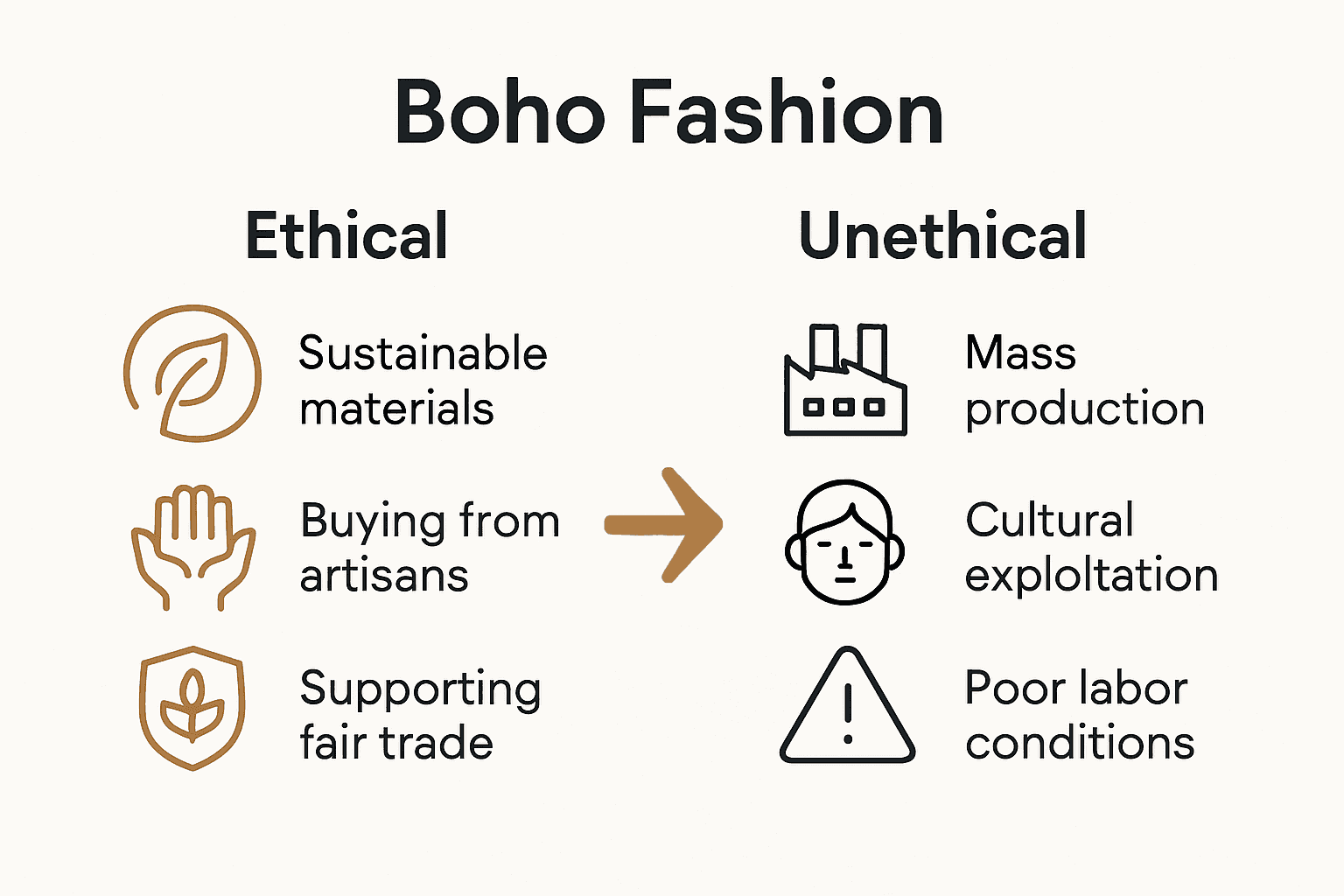
- Purchasing directly from indigenous artisan cooperatives
- Selecting items made with sustainable, organic materials
- Investing in high-quality, long-lasting pieces
- Supporting fair trade and transparent supply chains
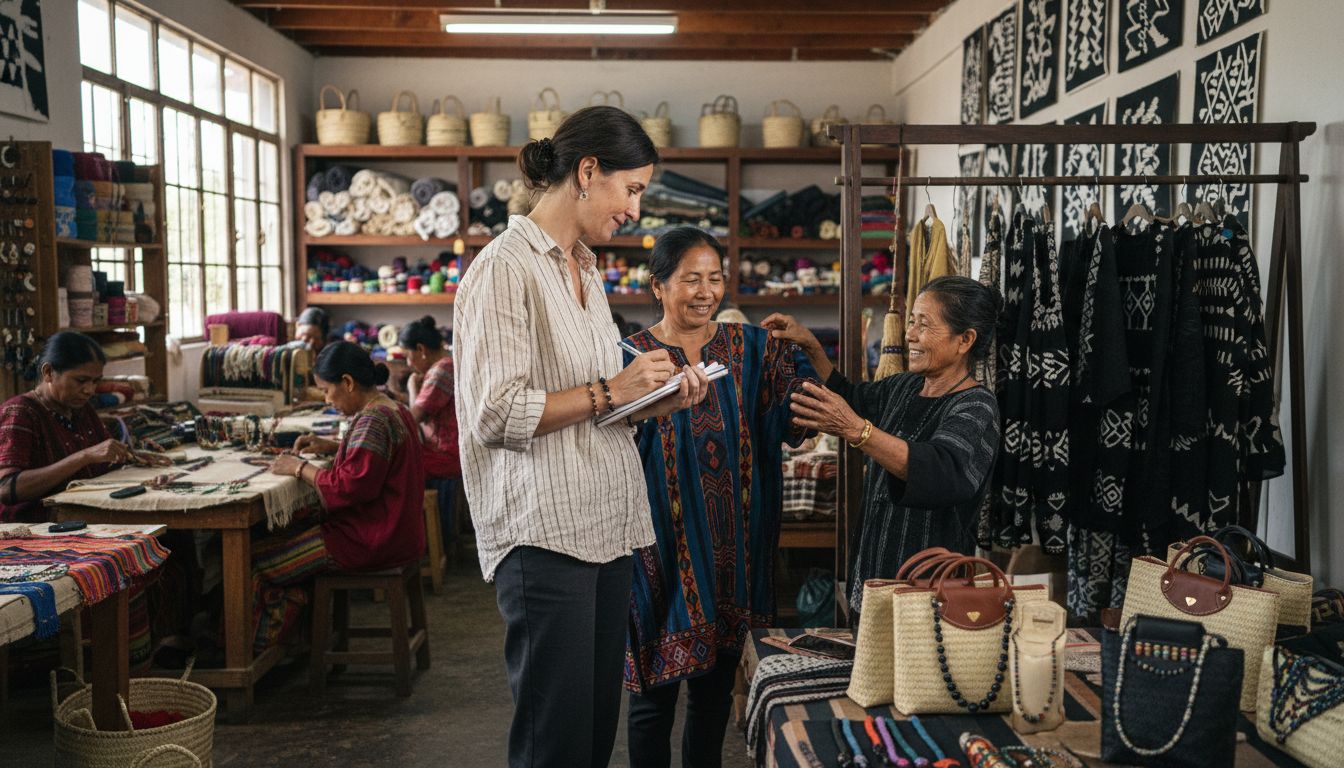
- Prioritising handmade and locally produced items
Accessorising the Boho Way: Complete Style Guide provides additional insights into making responsible fashion choices that honour both cultural heritage and environmental sustainability.
Embrace Authentic Boho Style with Conscious Choices
Navigating the vibrant world of boho fashion can feel overwhelming when trying to honour cultural roots while expressing your unique style. This article highlights key challenges such as distinguishing between cultural appreciation and appropriation and embracing ethical sourcing—all essential to staying true to the free-spirited boho philosophy. You deserve clothing that not only looks beautiful but also reflects respect for rich global traditions and supports sustainable craftsmanship.
Discover boho fashion that combines artistic freedom with responsible choices at BohoCloud Ltd.
Step into a collection where every flowing garment and intricate accessory tells a story of culture and creativity. Shop now to find affordable, high-quality pieces that help you embrace individuality while honouring the deep cultural influences behind boho style. Visit BohoCloud Ltd today and transform your wardrobe with meaningful, conscious fashion inspired by the very guide you just explored.
Frequently Asked Questions
What are the key elements of boho-inspired fashion?
Boho-inspired fashion includes loose, flowing silhouettes, natural and breathable fabrics like cotton and linen, earthy and warm colour palettes, intricate embroidery and textile details, and eclectic accessories like oversized jewellery.
How does boho style celebrate cultural diversity?
Boho style celebrates cultural diversity by incorporating elements from various global traditions, including intricate embroidery from Indian textiles, geometric patterns from Middle Eastern designs, bold prints from African cultures, and colourful handcrafted textiles from Latin America.
What is the difference between cultural appreciation and cultural appropriation in boho fashion?
Cultural appreciation in boho fashion involves respectfully incorporating elements from other cultures with an understanding of their significance, while cultural appropriation occurs when these elements are used without acknowledgment, understanding, or respect for their origins.
How can I make ethical choices in my boho fashion purchases?
To make ethical choices in boho fashion, consider purchasing directly from indigenous artisan cooperatives, selecting items made from sustainable materials, investing in high-quality pieces, supporting fair trade, and prioritising handmade or locally produced items.